An account of how Falden Notebook came to document the everyday relationship between food timing and how the day feels — assembled from observations, reader correspondence, and published nutritional research.
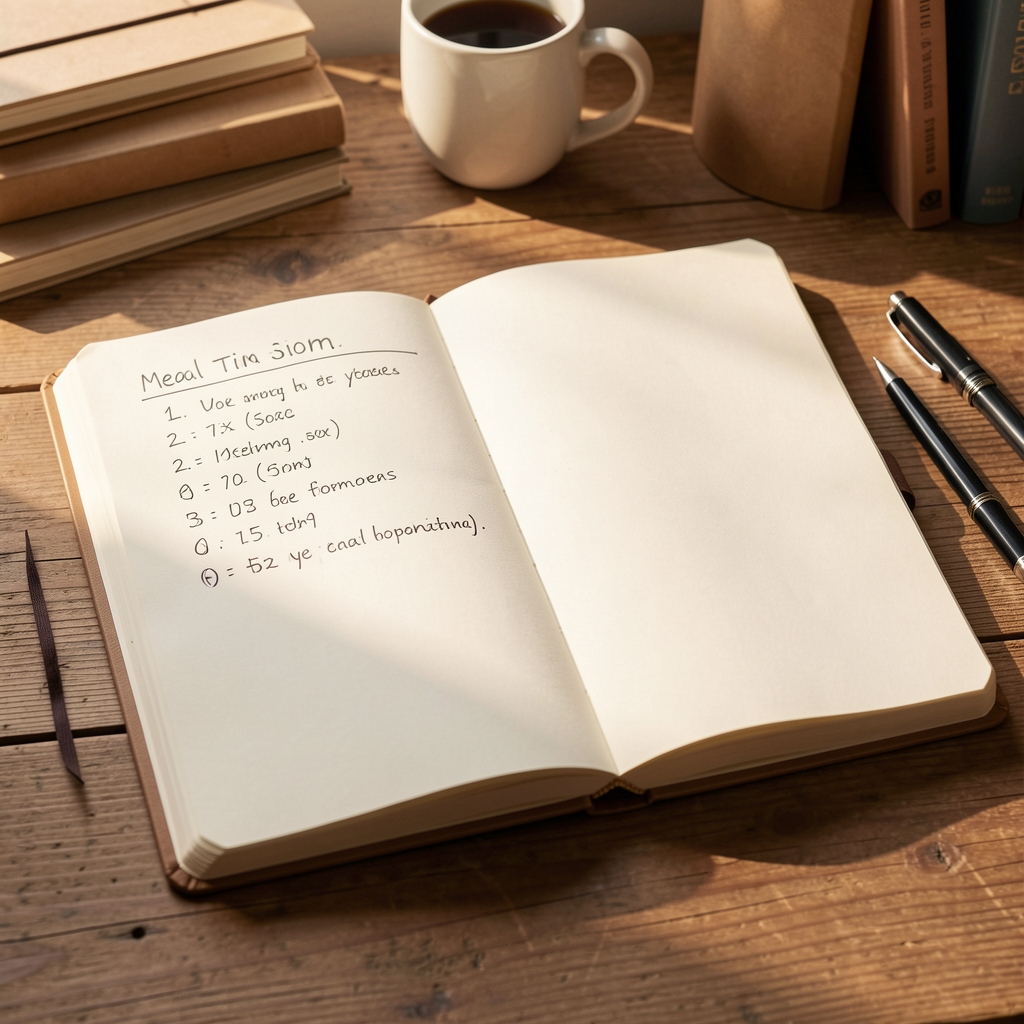
Falden Notebook began as a private record kept by its founding editor, Eleanor Whitfield, during a period of sustained interest in how the timing of meals appeared to shape the quality of her afternoons. The log was not, at first, intended for publication. It was a weekly record: what was eaten, at what hour, and how energy and attention seemed to shift in the hours that followed.
Over the course of several months, the private log accumulated patterns that felt worth examining more carefully. Whitfield began cross-referencing her observations against published nutritional research, noting where her lived experience aligned with documented findings on meal frequency and daily energy rhythm, and where it diverged in ways that seemed worth reporting.
The decision to make the notebook public was made in early 2025, when a selection of entries was shared in a small newsletter distributed to colleagues. The response from readers — who contributed their own observations, questions, and documented patterns — gave the project its current form: a collaborative editorial publication, grounded in personal observation and tested against what independent nutritional literature supports.
Today, Falden Notebook publishes articles, field notes, and reader-contributed observations on meal timing, eating rhythm, food scheduling, and the relationship between daily food routine and everyday energy. The publication operates from London and follows the editorial standards described in full on the Methodology page.
Eleanor Whitfield has written about food, daily routine, and the structures of everyday life for more than a decade. She founded Falden Notebook in 2025 after a year of personal observation on meal timing and afternoon energy patterns. Her work draws on published nutritional research while remaining grounded in the observable and the practical.
Tobias Marsden joined Falden Notebook as senior editor in early 2026. His background is in food journalism and the documentation of everyday eating habits across urban households. He oversees the publication's editorial review process and contributes regular field notes on structured eating and daily food schedules.
Harriet Caldwell contributes to Falden Notebook as a guest writer with a focus on circadian eating awareness and food timing and sleep. Her articles combine first-person observation with a careful reading of peer-reviewed dietary studies. She is based in South London and writes for several independent publications.
The editorial focus of Falden Notebook remains narrow by design. The publication does not attempt to cover nutrition broadly. It documents the relationship between when food is eaten and how the remainder of the day unfolds.
Articles examining the relationship between the clock, the plate, and the rhythms of a working day. Including observations on breakfast habits, meal spacing, and the patterns that emerge from consistent meal times.
Field notes on how regular meal patterns and structured eating routines shape the experience of hunger, attention, and appetite across a day. Grounded in reader observation and published research on meal frequency.
Documented observations on late eating habits, evening meal schedules, and the relationship between food timing and sleep quality — drawn from London household reports and dietary research journals.
Editorial examination of the body clock and food relationship: how the timing of meals interacts with daily energy rhythm, morning meal choices, and the structure of a daily eating schedule across different working patterns.
Falden Notebook operates under editorial principles detailed in full on the Methodology page. In summary: every article is reviewed by a second editor before publication, sources are cited where peer-reviewed literature exists, and corrections are noted publicly.
The publication is not affiliated with any commercial, governmental, or institutional body. Writers disclose any commercial relationships that could influence their selection of subject matter.
Articles published on Falden Notebook are editorial in nature and reflect the writers' observations on meal timing, eating rhythm, and daily food scheduling. The content is not intended as professional advice, nor as guidance for the management of any specific condition. Readers with specific concerns about their daily routines are encouraged to speak with a qualified wellness professional.
Field notes, observations, and research-informed editorial on meal timing and food schedule.